Landscaping Edging: Producing Outdoor Spaces Involves Arranging Plants, Pathways, And Functions To Improve Natural Beauty And Functionality
Tracing the Roots of Landscape Style
Have you ever roamed through a garden and felt carried to another era? Landscape style isn't almost planting flowers; it's a story engraved into the earth, shaped over centuries by culture, climate, and imagination. From the official gardens of Renaissance Europe to the wild, naturalistic settings preferred by the English Romantic movement, the evolution of landscape style exposes humanity's moving relationship with nature.
The Ancient Foundations
Long before contemporary tools and digital plans, early civilizations crafted landscapes with symbolic intent. The hanging gardens of Babylon, typically hailed as a wonder of the ancient world, integrated engineering marvel with lush greenery to develop a sanctuary in the desert (Landscaping Near Me). Similarly, the Japanese zen gardens echo simplicity and meditation, proving that landscape style can be both practical and extensive
Secret Turning Points in Landscape Design History
| Period | Characteristic | Noteworthy Influence |
|---|---|---|
| Ancient | Significance and energy | Egyptian and Babylonian gardens |
| Renaissance | Proportion and order | Italian formal gardens |
| 18th Century | Naturalistic, pastoral landscapes | English landscape gardens |
| Modern | Ecological level of sensitivity and development | Contemporary sustainable style |
Why Does This Matter Today?
Isn't it interesting how the principles of landscape style from centuries ago still affect our yards and parks? When creating a space now, comprehending its historic context improves the process. Incorporating components of balance from the Renaissance can bring balance, while welcoming natural types lines up with today's environmental priorities.
- Historical understanding informs material options and plant selection.
- Traditional designs can blend with contemporary sustainability practices.
- Designs evoke emotional actions by using cultural memory.
Assess a garden more info you enjoy-- does it whisper stories of previous design movements or boldly declare originalities? Landscape design is a living dialogue in between history and innovation, where every course and plant tells a tale.
Deciphering the Concepts That Forming a Landscape
Ever questioned why some gardens appear to whisper tricks while others shriek mayhem? The response lies in the principles of landscape design. Balance, rhythm, and unity are more than simply expensive copyright; they are the undetectable threads weaving a tapestry that pleases the eye and soothes the soul.
Balance isn't simply about balance. Imagine an enormous oak tree on one side and a cluster of fragile flowers on the other-- visual weight matters, not identical shapes. It resembles a discussion where both voices are heard without subduing one another.
Aspects That Bring Life to Your Outdoor Canvas
- Line: Guides the observer's eye, whether through a winding course or a row of hedges.
- Type: Shapes that create structure; consider the contrast in between round shrubs and angular rocks.
- Texture: The roughness of bark versus smooth leaves adds depth and intrigue.
- Color: Plays with state of mind-- cool blues soothe, while intense reds stimulate.
- Space: The breathing room that prevents overcrowding and mayhem.
Expert Tips on Harmonizing These Components
- Start by sketching your area, marking existing features-- do not ignore the power of a simple drawing.
- Usage repeating of shapes or colors to develop rhythm, however avoid dullness by introducing unexpected centerpieces.
- Consider the seasons; what looks stunning in spring may vanish by fall-- evergreens can anchor your design year-round.
In my early projects, ignoring scale led to a garden dwarfed by towering trees, leaving no room for underplanting. Lesson found out: always measure and imagine in three dimensions. Does your design invite expedition or confusion? Mastering these landscape design elements transforms areas from simple plots of land into immersive experiences.
Checking out the Variety of Landscape Design Styles
Why settle for a cookie-cutter garden when the world of landscape style offers a spectrum of designs that can transform an easy lawn into a living masterpiece? From the structured beauty of formal gardens to the wild, untamed appeal of naturalistic designs, each type welcomes an unique story to unfold. Ever observed how a Japanese garden whispers tranquility while a Mediterranean courtyard shouts lively life?
Popular Styles & & Their Signature Components
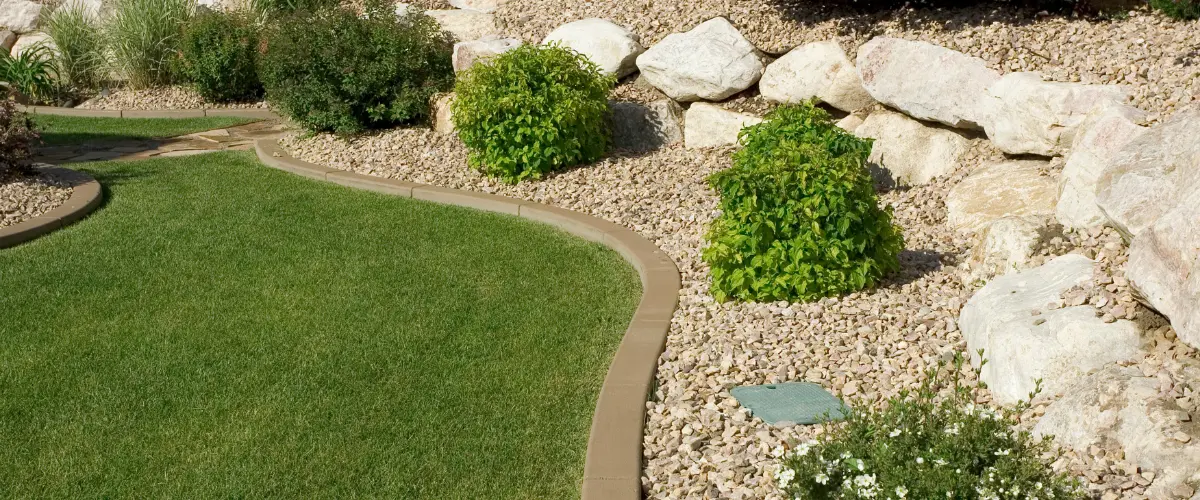
- Formal: Proportion reigns here, with clipped hedges and geometric patterns assisting the eye.
- Casual: Free-flowing lines and natural plant groupings simulate nature's randomness, making area feel unwinded and inviting.
- Contemporary: Minimalist and streamlined, this style blends hardscapes like concrete and steel with thoroughly selected greenery.
- Rustic: Believe rough textures, native plants, and recovered products that echo countryside appeal.
- Tropical: Bold foliage and vibrant blossoms produce an immersive, lush atmosphere ideal for warm environments.
Expert Tips for Selecting the Right Design
One trick frequently ignored: soil and climate dictate what thrives, not just visual appeals. Do not let the desire for exotic plants sabotage your design. Rather, accept native types that need less water and care, aligning sustainability with design. Ever tried layering textures and heights to create depth? A basic trick like planting decorative yards behind much shorter perennials can breathe life into flat landscapes.
Table: Style Characteristics vs. Practical Considerations
| Style | Upkeep Level | Best For | Key Products |
|---|---|---|---|
| Formal | High | Timeless homes, public gardens | Boxwood, stone, gravel |
| Casual | Moderate | Family yards, natural settings | Native plants, mulch, wood |
| Contemporary | Low to moderate | Urban spaces, modern homes | Concrete, metal, succulents |
| Rustic | Low | Rural homes, cabins | Natural stone, wildflowers |
Ever dealt with imagining how a style might suit your area? Sketching or digital modeling can expose nuances hidden by the naked eye. Keep in mind, a cohesive landscape design isn't simply about plants; it's about creating an environment that seems like an extension of your own character.
Accuracy Satisfies Creativity: Tools That Shape the Landscape
Ever attempted sculpting a masterpiece with blunt instruments? That's how landscape design feels without the ideal toolkit. From the simple measuring tape to sophisticated digital software application, the toolbox of tools directly influences the last visual and performance of any job. For instance, a laser level can be a game changer when you require to guarantee ideal grade and drain-- something every landscape designer consumes over but few customers notification.
Vital Instruments for each Landscape Designer
- Determining tapes and stakes for accurate spacing and layout
- Soil test packages to examine pH and nutrient levels, diving much deeper than just "good dirt"
- Sketching tools: pencils and chart paper for early conceptualization
- Digital style software that mimics sunshine and shadow patterns over seasons
- Pruning shears and hand saws, indispensable for forming living aspects
Strategies That Turn Soil into Stories
Do you know why contouring a garden bed matters beyond aesthetic appeals? It manages water overflow, minimizing erosion and protecting root systems. It's a subtle art of balancing nature's whims with human intention. When laying out paths, consider the natural walking patterns-- requiring stiff, straight lines frequently backfires, both visually and functionally.
One lesser-known trick is using xeriscaping techniques to create drought-resistant landscapes. It's not practically conserving water; it's about weaving a resilient tapestry that grows with minimal intervention. Incorporate native plants and layer textures to construct depth and year-round interest.
| Strategy | Purpose | Professional Tip |
|---|---|---|
| Terracing | Handle sloped land to prevent soil erosion | Use maintaining walls with natural stone for toughness and aesthetic harmony |
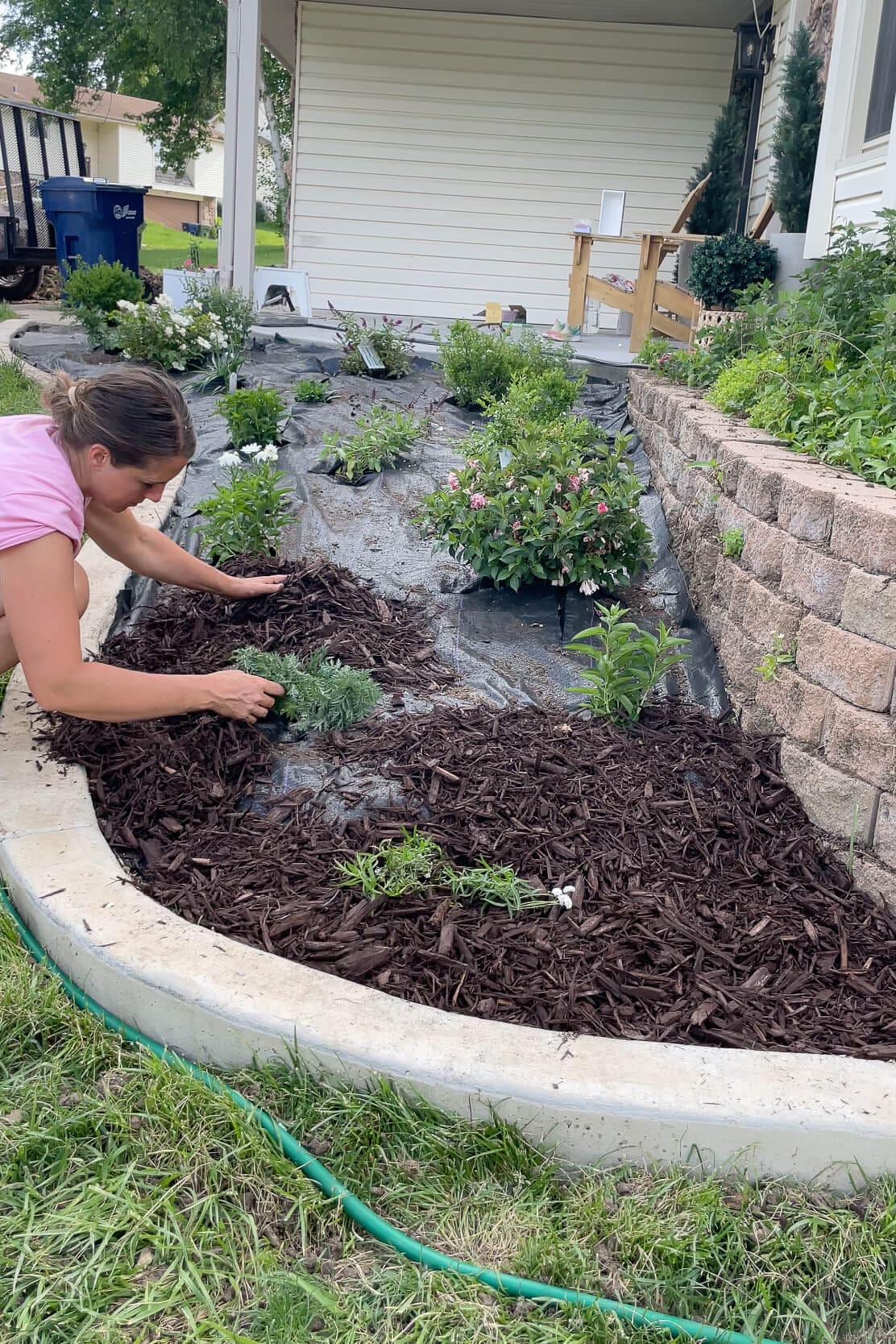
| Mulching | Keep moisture and reduce weeds | Organic mulches enhance soil health as they disintegrate |
| Layering | Develop visual interest and ecological balance | Integrate groundcovers, shrubs, and trees with staggered heights |
Creative Outside Areas in San Diego County
San Diego County is renowned for its diverse landscapes, stretching from lovely seaside beaches to rugged inland mountains and extensive deserts. Home to over 3 million residents, the area offers a vibrant mix of cultural destinations, outdoor activities, and natural appeal. Popular locations consist of Balboa Park, known for its gardens and museums, and the beautiful Torrey Pines State Natural Reserve. The mild, Mediterranean environment supports a wide range of plant life, making it an ideal area for innovative and sustainable landscape style.
They encourage you to connect to California Landscape Development for a free consultation and expert suggestions on landscape style, assisting you transform your outside area into a stunning and practical space.